

Mireille Guiliano brought the French Women Don't Get Fat Diet to America when she wrote a book on the subject, which explains how French women stay so slim and beautiful. The premise of the diet is

No Cooking Required: Exploring the Raw Food Diet
by Marnie Bii February 6th, 2019| Diet Plans, Healthy Eating
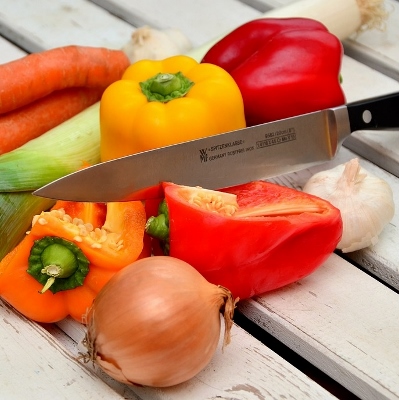
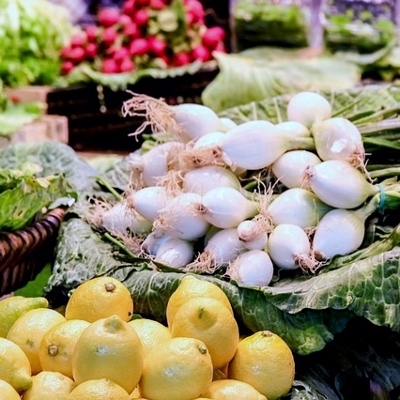
Proponents of the raw food diet go a step beyond the whole, unprocessed foods movement with their eating plan. In addition to avoiding processed food, dieters following this plan consume nearly all of their natural foods uncooked.
Premise
The idea behind this diet plan focuses on the way heat destroys essential
Premise
The idea behind this diet plan focuses on the way heat destroys essential
Exploring the HCG Diet Plan for Weight Loss
by Marnie Bii May 27th, 2015| Diet Plans, Healthy Eating
The use of HCG hormones for weight loss caught hold when Dr. Oz began discussing this diet method on his television program. HCG hormones are naturally produced during the body during pregnancy. The hormone concentrations gradually increase as the pregnancy progresses before starting to taper off toward the end

Diet Strategy: Commit To A Plan For 100 Days
by Marnie Bii January 27th, 2015| Diet Strategy, Healthy Eating
Smart Ways to Make Calorie Restriction Work
by Marnie Bii November 11th, 2014| Accessories, Diet Plans
From Point to Point: Exploring Weight Watchers
by Marnie Bii July 1st, 2014| Accessories, Diet Plans
If you find calorie tracking tedious and time consuming, consider trying out a points-based system, like Weight Watchers, instead. All of your shopping lists and meal plans are laid out with this innovative diet plan. In addition, this plan frees you from calculating each individual ingredient in a calorie
The Ultimate Volumetrics Diet
by Kimberly Hays February 26th, 2013| Diet Plans, Diet Strategy
The Ultimate Volumetrics Diet was developed by Barbara Rolls who is a nutrition professor at Penn State University. The diet consists of interpreting food’s energy density, and it is broken down into four categories. Category 1 includes low density foods such as fruits and vegetables that are low in